

Social Communication8 min readReviewed: 2026-07-16
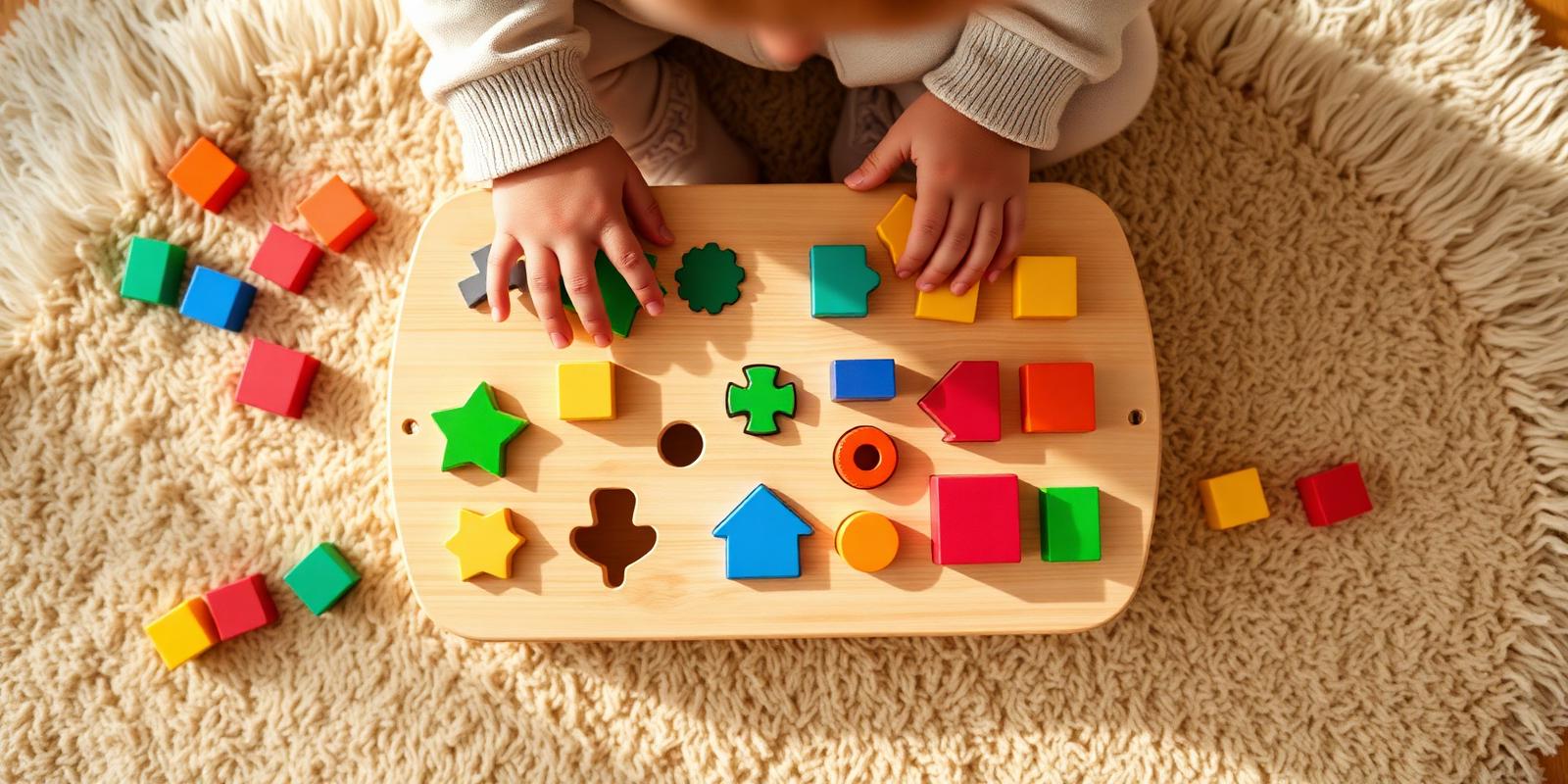
Social communication develops in different ways and at different paces. Parents may notice differences in eye contact, back-and-forth conversation, play, sensory responses or flexibility. These observations can have very different explanations. A careful paediatric review considers the whole child — language, learning, temperament, environment — before drawing conclusions.
Who this guide is for
Parents wondering about social communication, play, sensory responses or flexibility in their child, at any age.
Observations parents may notice
- Differences in eye contact, gestures, or shared attention.
- Strong interests, routines or a strong preference for sameness.
- Sensitivities to sounds, textures, foods or clothing.
- Difficulty with back-and-forth conversation or reading social cues.
- Skills that develop unevenly across areas.
Information that may be useful to collect
- A short developmental history from infancy onwards.
- Video clips of everyday moments (if you feel comfortable sharing).
- Any prior therapy notes, speech or occupational assessments.
- School observations, particularly at unstructured times.
When professional review may be helpful
- Concerns are consistent across settings and over time.
- You want to understand your child's profile of strengths and needs.
- Support at school or home would benefit from a fuller picture.
What the clinic consultation may consider
- Communication, play, sensory profile and flexibility together.
- How the pattern fits alongside language, learning and temperament.
- Practical strategies for daily life, whatever the outcome.
- Whether further evaluations or coordinated therapy input would help.
Similar observations can have very different explanations. An appropriate clinical assessment considers the wider context of your child's development, learning, health, family and school life. Online information cannot provide a diagnosis.
Common questions
- My child makes eye contact — does that rule out autism?
- No. Autism-related profiles are varied. Many children make eye contact and still have social communication differences worth understanding.
- Is it better to wait and see?
- Sometimes a period of observation is appropriate. Send an enquiry — the clinic team can help you decide whether a review is useful now or later.
- Will a diagnosis change how we parent?
- A clearer understanding often changes what feels stressful and what strategies you use, whether or not a formal diagnosis results.
- How do we explain the visit to our child?
- Simple, honest language works best — that you are meeting someone who helps children with communication and feelings, and who will mostly talk with you.